CASE STUDY: Setting the Scene for Increased Attendance
By: Talia Salem
Issue: Smart Meetings June 2009
Case Study
How one planner effectively marketed her event
The Planner: Tracy E. Kwiker, president and founder, Pivotal Events, a seven-and-a-half-year-old event production company based in Los Angeles that specializes in business-related meetings and events.
The Event: The 38th annual Benjamin S. Crocker Symposium on behalf of the Real Property Section of the Los Angeles County Bar Association and the Richard S. Ziman Center for Real Estate at UCLA. The Crocker Symposium, which took place on May 5, is a top conference in Southern California focusing on both the legal and business aspects of real estate.

The Venue: To underscore the real estate focus of the symposium, Kwiker opted to have her day-long event at the Los Angeles Convention Center and Lucky Strike Bowling Alley at L.A. Live—the hottest new development in downtown Los Angeles. She says of L.A. Live, “It is an important $2.5-billion real estate endeavor and I wanted [the attendees] to see, feel, touch and experience the L.A. Live campus.”

Goals: Number One: To broaden and enhance the event. “I set out to make this event—for anyone who is involved in the real estate industry—the event of the year, even if they didn’t attend.” Number Two: Beat the attendance from last year. (This is the first year her firm planned the symposium, and last year’s attendance was 300.)
The Problem: The lagging economy had hit the real estate market very hard, and attendance was an important issue. Kwiker needed to market the event—at virtually no cost to her client—to attendees who ranged from lawyers, accountants and developers to property owners, commercial bankers, brokers, academics and government representatives.

The Solution: Pivotal Events created an allied association program that targeted like-minded associations. Kwiker says of the alliance, “We created an arrangement that was promoting them [the associations] as an allied association on our website, registration brochure, marketing e-mails, program syllabus and event signage, in exchange for their willingness to promote our event to their members by whatever means available to them, whether it be a newsletter, e-blast, etc. We would supply the material per their specific requirements. It took a tremendous amount of time; [we created] at least 50 different types of unique collateral.” Pivotal also extended discounts to members of the allied associations to provide them with a clear added value.
In addition to the associations, Pivotal drafted tailored e-mails for speakers, sponsors and participants to send out to their friends and lists of contacts. Kwiker says this made it easy for them to pass the information along and inform their contacts that they were participating in the event (and, in turn, promote it).

The Results: Kwiker’s efforts definitely paid off because 425 people registered for the event. Counting walk-ins, she estimates that more than 440 people attended—a 147-percent increase in attendance over last year. Kwiker is confident that her company’s contract will be renewed (next year), as the event went as best as possible. “We have gotten such tremendous feedback, [such as] ‘this is the best Crocker Symposium they have ever been to,’” she says
According to Kwiker, the allied association program was the most effective of their efforts and gave the event credibility in the marketplace. “Anyone can buy an ad, but we employed guerilla tactics, grassroots [efforts] at every turn,” she says. “We did the work for them to promote themselves and, therefore, promote the event.”
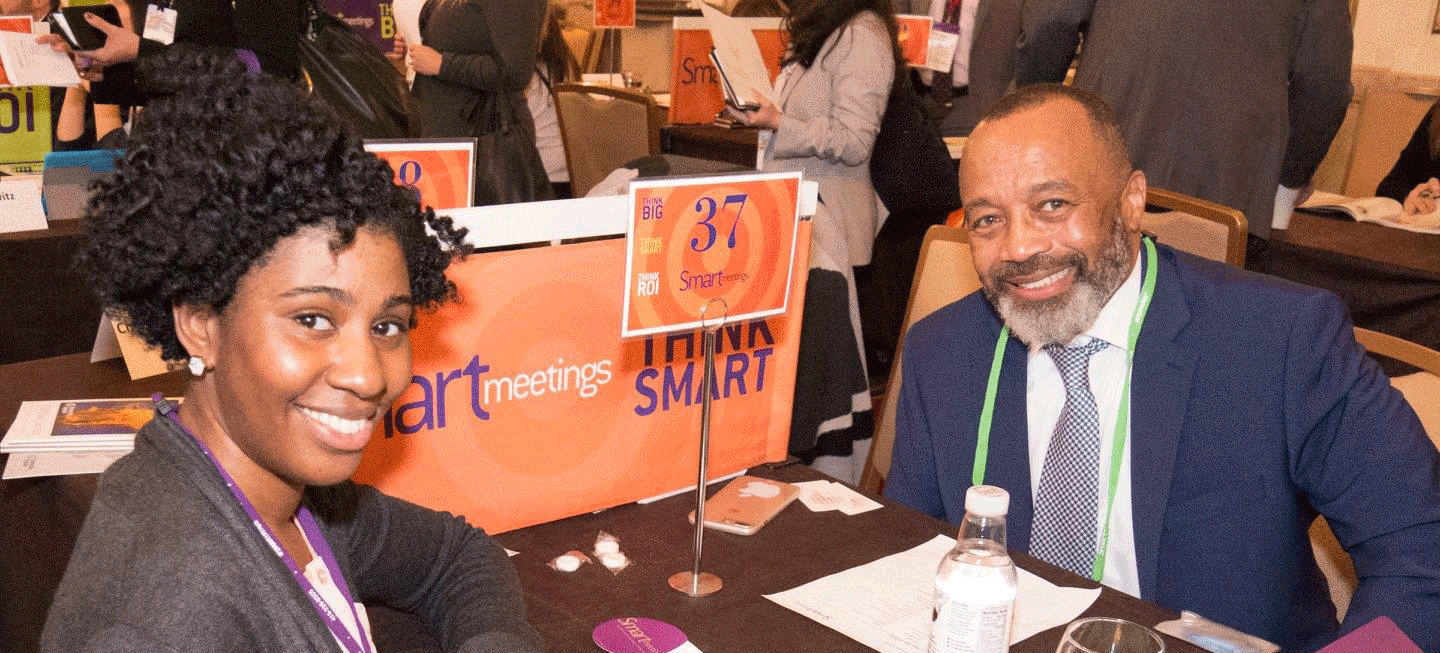
Images courtesy of Pivotal Events and taken by George Gray Photography.