








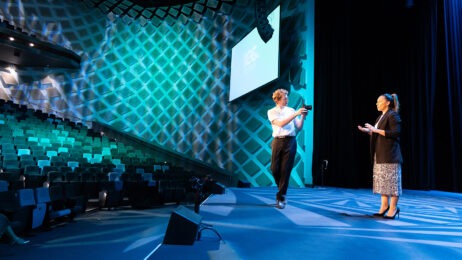





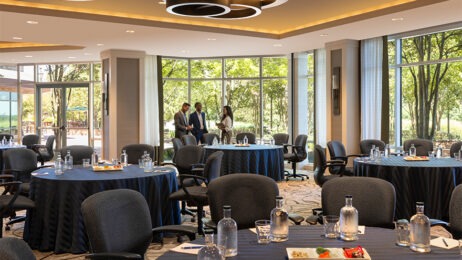



ASAE Great Ideas Conference Reboot Celebrated the Art of Failure
Failure is fuel. That was the message resonating in Mill City Ballroom at Sheraton Minneapolis Downtown Convention Center following the return of ASAE Great Ideas Conference after a six-year hiatus.Deanna […]
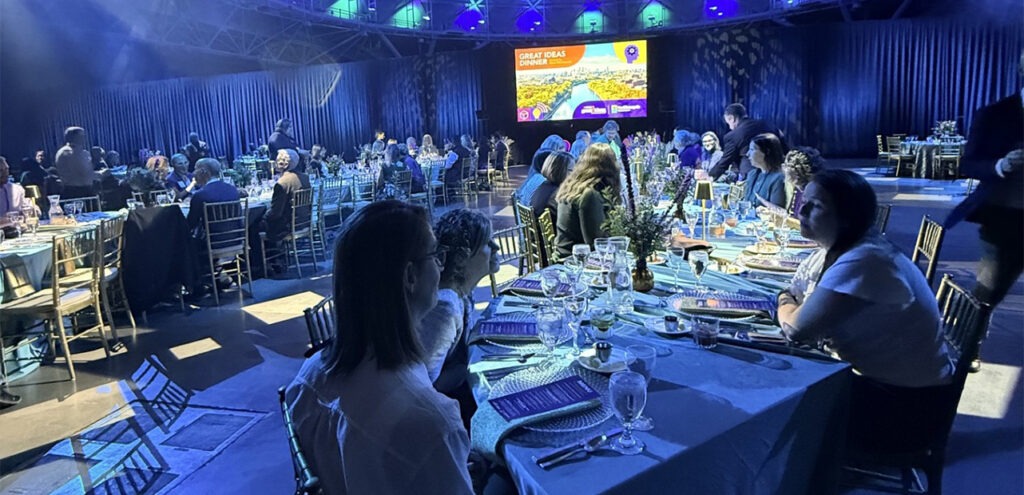
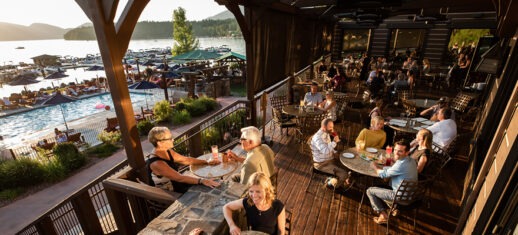
The Power of Fun
A Smart Meetings Intelligence Report documenting the science and practical applications of competitive socializing as a business toolWhat is competitive socializing, and why has it become such a popular human […]

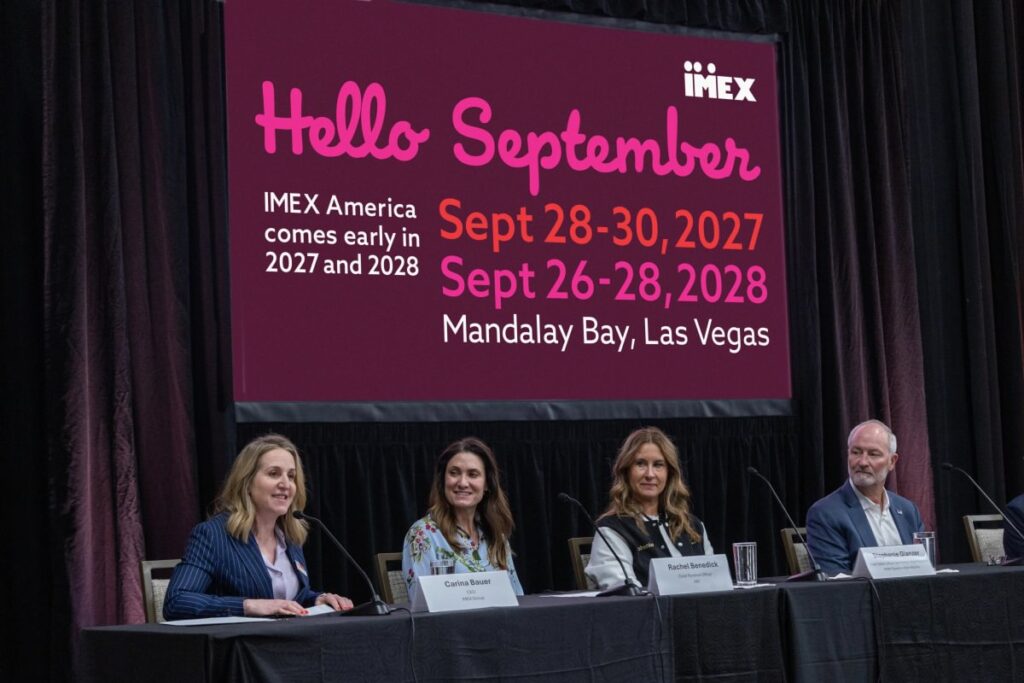
IMEX America 2026 Recap: Day 3
It’s best to end things on a high, and that’s exactly what IMEX America and Smart Meetings did. From the launch of Smart Meetings: Sports to a highlight reel from […]
Biggest-ever Chicago Hotel Strike Looms
Hosting an event in the Windy City in the near future? If you are currently contracted with a downtown hotel or near McCormick Place, you should have been notified about […]

Notes From the Road: New Zealand
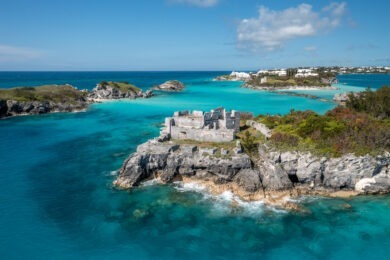
For many people, me included, New Zealand is best known as the backdrop for films such as King Kong, The Piano and Peter Jackson’s The Lord of the Rings and The Hobbit trilogies. But New Zealand is far more than the setting for someone else’s story. It is a destination that invites attendees to step inside one of their own.
Securing the Future of Hospitality
In 2020, Covid upended many things: events, businesses, personal lives and educational dreams. As events made a successful return, hospitality education was left to navigate its own rebuilding process.

The List: Where Art Checks In
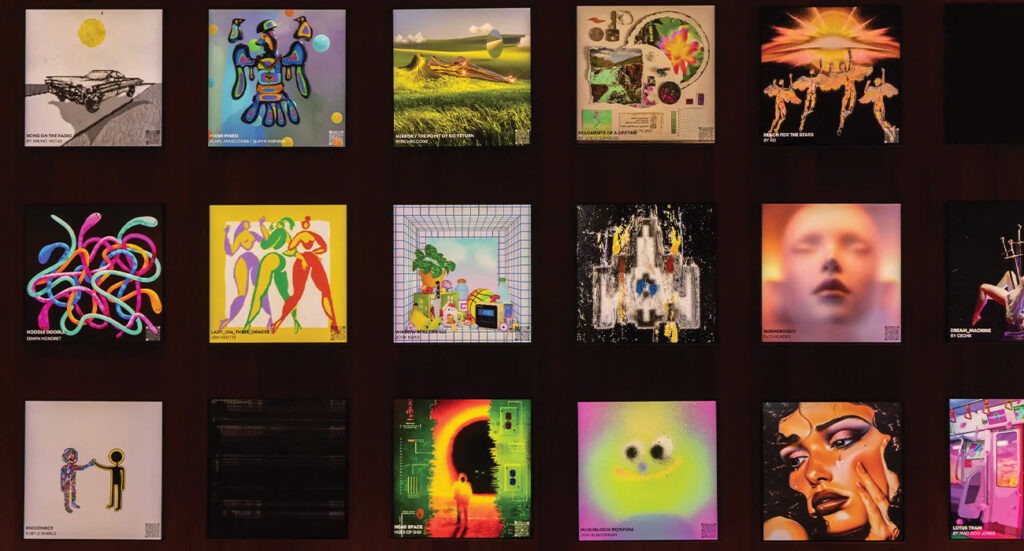
Art has long played a role in hospitality design, but some properties are taking the relationship a step further. From mentorship programs and artist residencies to immersive galleries and locally inspired collections, these hotels are creating meaningful opportunities for artists while offering guests a deeper connection to the destinations they visit.


Resource Shortcut
-

-
New Marriott Bonvoy Research Shows Sustainability Influences Group Business
New Marriott Bonvoy Research Shows Sustainability Influences Group Business
Learn MoreDetails -
SITE Appoints Rebecca Wright as Interim CEO
SITE Appoints Rebecca Wright as Interim CEO
Learn MoreDetails

Smart Leaders




The Wisdom of Ignorance

Aug 31, 2026















Social media


Subscribe to our newsletter!
Be in touch with the hottest topics around & the breaking news around the world.
